
The Power of Emotional Intelligence in Leadership: Why EQ Matters More Than Ever
In today’s fast-paced, collaborative work environment, technical skills alone may not be enough to secure your next promotion. If you’re aiming for a leadership role, there’s an emotional element you must master—something that will shape your ability to manage teams, handle stress, deliver feedback, and build lasting relationships.
That something is emotional intelligence (EQ), and it’s a skill that’s increasingly in demand. According to research, 71% of employers value emotional intelligence more than technical expertise when assessing potential candidates for leadership positions.
What is Emotional Intelligence?
Emotional intelligence is the ability to recognize, understand, and manage your own emotions, while also being attuned to the emotions of others. While the term was first introduced in 1990 by researchers John Mayer and Peter Salovey, it was psychologist Daniel Goleman who truly popularized the concept in the 1990s.
Goleman famously stated, “The most effective leaders are all alike in one crucial way: They all have a high degree of emotional intelligence.” It’s not that technical skills or IQ are irrelevant—after all, they’re essential for entering leadership roles. But emotional intelligence is what ultimately separates great leaders from good ones.
Research from TalentSmart, a leading provider of EQ training, reveals that emotional intelligence is the strongest predictor of performance in the workplace. Employees with high EQ tend to stay calm under pressure, resolve conflicts effectively, and respond to colleagues with empathy, which leads to better teamwork, job satisfaction, and overall productivity.

Recognizing a Lack of Emotional Intelligence
Emotional intelligence isn’t just about being in tune with your own feelings—it also involves understanding and managing how emotions play out in the workplace. Without it, you may struggle with interpersonal relationships, making collaboration and communication harder.
Signs of low emotional intelligence might include:
Difficulty managing or expressing emotions in a healthy way
Repeatedly blaming others when things go wrong
Outbursts of frustration or anger in stressful situations
Strained or tense conversations with colleagues
If any of these sound familiar, it might be time to focus on building your emotional intelligence to strengthen your relationships and improve team dynamics.
The Four Core Components of Emotional Intelligence
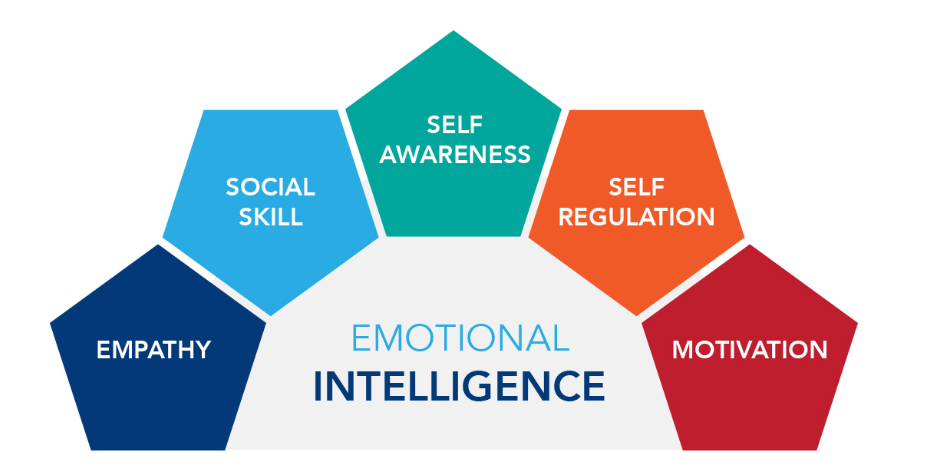
Emotional intelligence is typically broken down into four key areas: Self-awareness, Self-management, Social awareness, and Relationship management. Mastering these components is essential for both personal growth and leadership development.
1. Self-Awareness
Self-awareness is the foundation of emotional intelligence. It’s the ability to recognize your emotions and understand how they affect your thoughts, decisions, and interactions. This level of introspection helps you align your behavior with your core values and understand the impact you have on your team.
Research by organizational psychologist Tasha Eurich shows that while 95% of people think they’re self-aware, only 10-15% actually are. This gap in self-awareness can lead to workplace challenges, such as poor decision-making and ineffective leadership. To enhance self-awareness, consider seeking feedback from others, either through 360-degree assessments or regular one-on-ones with your team.
2. Self-Management
Self-management is about controlling your emotions, especially in high-pressure situations. Leaders with high emotional intelligence don’t let stress or frustration dictate their responses—they pause, reflect, and choose a thoughtful course of action. This ability to remain calm, think critically, and manage impulses is a crucial skill in leadership.
A simple yet effective technique to improve self-management is mindfulness. Taking a moment to breathe, step back, and evaluate your emotional state before reacting can prevent rash decisions and improve your responses in difficult situations.
3. Social Awareness
Understanding the emotions of others is key to building effective relationships and a positive workplace culture. Social awareness, which includes empathy, allows you to read the room, assess group dynamics, and understand how your colleagues are feeling. This insight enables you to communicate more effectively and build stronger connections.
Leaders who are empathetic tend to perform better in areas like coaching, team engagement, and decision-making. Studies have shown that empathy boosts performance by over 40% in these areas, making it an essential skill for anyone aspiring to lead effectively.
4. Relationship Management
Relationship management is the ability to influence, inspire, and guide others while managing conflicts effectively. In leadership, this involves coaching team members, resolving disputes, and maintaining positive team dynamics.
Leaders skilled in relationship management don’t shy away from difficult conversations; they address conflicts directly and respectfully. Ignoring issues can lead to gossip, inefficiency, and a toxic work environment. By actively managing relationships, you foster respect and trust within your team, which ultimately leads to better results.
How to Strengthen Your Emotional Intelligence
If you want to improve your leadership skills and become more emotionally intelligent, there are several practical steps you can take:
Journaling: Regularly reflect on your emotional responses to different situations. Consider how your emotions influenced your decisions, and identify patterns or behaviors you’d like to change.
Seek Feedback: A 360-degree feedback process, where you ask colleagues and peers for honest assessments of your behavior and performance, is a powerful way to identify blind spots and areas for growth.
Active Listening: Practice fully engaging in conversations by making eye contact, nodding, and paraphrasing what others say. This shows that you value their perspectives and helps you understand their emotions.
Mindfulness: Take time to understand and regulate your emotional responses. If you feel anger or frustration building up, pause and reflect on the underlying reasons for these emotions.
Enroll in an EQ Training Course: Many online programs, such as Selligence Solutions course, offer 360-degree assessments and practical strategies to improve emotional intelligence.
Why EQ Is Crucial for Effective Leadership
Leadership isn’t just about technical expertise. It’s about inspiring and motivating people, managing relationships, and creating a work environment where everyone feels valued. Emotional intelligence enables you to do all of this and more.
Leaders with high EQ can create a culture of empathy and respect, which boosts morale, improves employee engagement, and drives success. Whether you’re managing a team, coaching colleagues, or navigating difficult situations, emotional intelligence is the key to effective leadership.